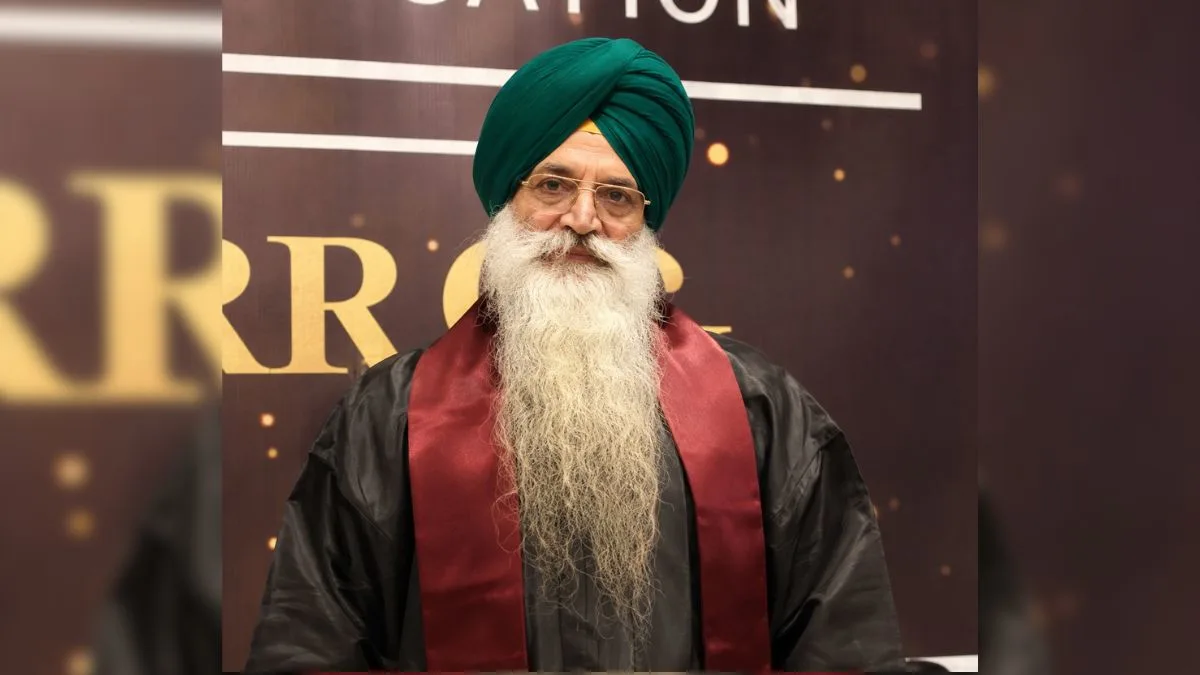
New Delhi: Human rights activist Dr Charanjit Singh has called for an independent investigation into allegations concerning police action, civil liberties and peaceful protest rights in India. His international appeal asks constitutional authorities, United Nations bodies and human rights organisations to examine issues raised in connection with protests in Delhi.
The nine-page email copy states that Singh sent the appeal at 12:51 PM on October 10, 2026. The letter focuses on demonstrations linked to alleged electoral irregularities and raises questions about police deployment, reported detentions and possible restrictions on public communication and transport.
The appeal alleges that approximately 50,000 police personnel were deployed during the events. It also asks for scrutiny of possible internet restrictions, disruptions to rail and metro services, and the treatment of journalists and human rights defenders.
These claims have not been independently verified, and the available material does not establish whether the authorities have confirmed the allegations.
Singh Names Key Institutions in His Appeal
Singh has requested consideration of the matter by the President of India, the Supreme Court, the National Human Rights Commission, the Election Commission and the Office of the United Nations High Commissioner for Human Rights.
The appeal asks the relevant institutions to examine the treatment of detained individuals, safeguards for their legal rights and administrative decisions associated with the protests. It also seeks an impartial review of complaints relating to electoral irregularities and restrictions that may have affected public services.
To support his appeal, Singh has referred to Articles 14, 19, 21 and 22 of the Indian Constitution. He has also cited the Universal Declaration of Human Rights and the International Covenant on Civil and Political Rights as relevant international frameworks.
Appeal Emphasises Verification and Accountability
The letter calls on the government and administrative authorities to ensure that police action meets legal requirements and remains necessary and proportionate. It also requests a review of alleged internet restrictions and decisions affecting rail and metro operations.
Singh has urged international news agencies and independent journalists to assess the allegations using official records, eyewitness testimony, photographs and verified video footage. He has stressed that media organisations should seek responses from the authorities and avoid presenting unverified claims as confirmed facts.
The available email record shows that the appeal was sent and contains a list of intended recipients. However, independent evidence confirming delivery to approximately 500 recipients was not available. The available information also does not confirm any subsequent response or action by the institutions named in the appeal.
Singh has called for an impartial inquiry into the complaints, maintaining that the facts should be established and any proven violation of civil liberties addressed through the legal process.