
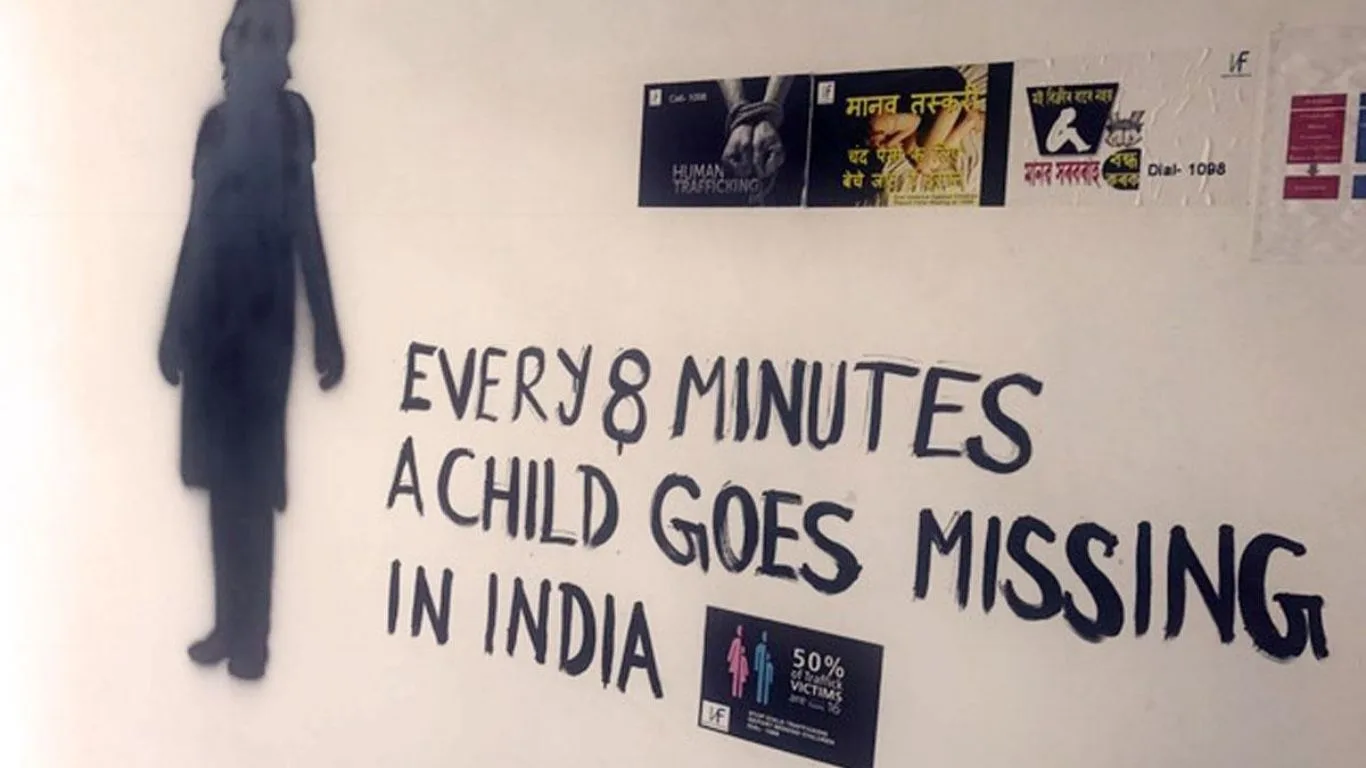
Thousands of children remain untraced after going missing in India, raising serious questions about child safety, trafficking and the system meant to find them
New Delhi: A total of 98,375 children went missing across India in 2024, according to the latest National Crime Records Bureau (NCRB) report. The figure rose 7.8 per cent from 91,296 in 2023, marking the highest annual total reported in the available NCRB data.
The 2024 figure translates to more than 269 children going missing every day, on average. Girls accounted for the overwhelming majority, with 75,603 cases, compared with 22,768 boys and four transgender children. The data also highlights a widening gap between the number of children reported missing and the number of cases that authorities formally investigate as trafficking.
A Decade of Rising Numbers
NCRB began compiling detailed state-wise data on missing and traced children in 2016, following a Supreme Court direction issued in a writ petition on the subject. In that first year, 63,407 children were reported missing nationally, or roughly 174 a day.
The numbers have climbed unevenly since. Cases rose by 5.6 per cent in 2018 over the previous year and by a further 8.9 per cent in 2019. A nationwide lockdown briefly reversed the trend, with a 19.8 per cent fall in 2020. The relief did not last: cases surged 30.8 per cent in 2021 as movement restrictions eased, then rose another 7.5 per cent in 2022, when 83,350 children were reported missing. By 2024, the figure had crossed the 98,000 mark, the sharpest single-year jump in recent memory.
The Recovery Picture
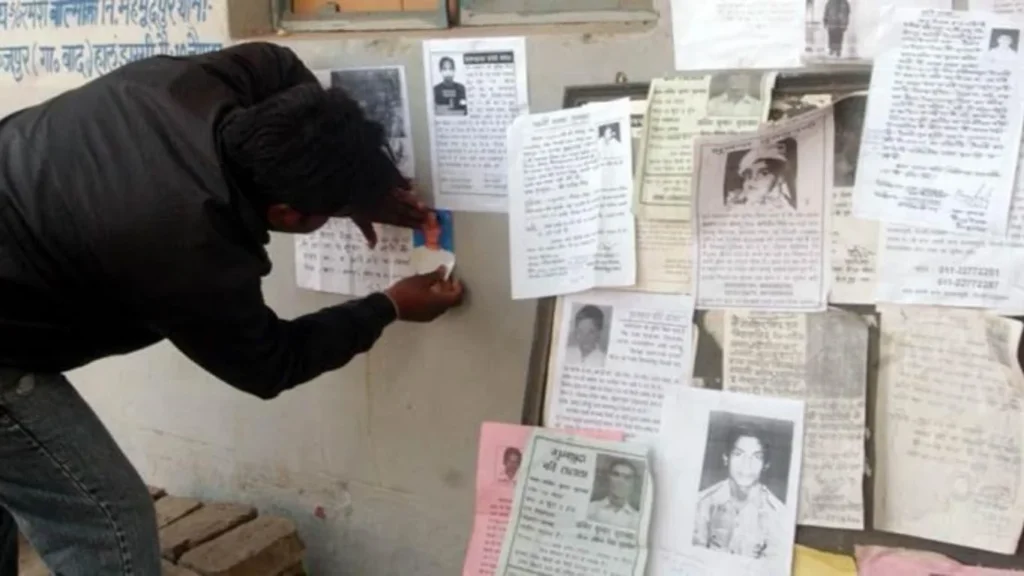
Of the children reported missing in 2024, authorities traced 98,826 during the year. This included 23,902 boys, 74,919 girls and five transgender children. The recovery rate stood at 67.1 per cent. However, this figure covers only cases closed in 2024. It excludes cases carried forward from previous years.
Older unresolved cases present a less reassuring picture. NCRB data shows that 48,800 children remained missing from previous years. This pushed the total number of missing children handled in 2024 to 1,47,175. By the end of the year, 48,349 children remained untraced nationwide.
West Bengal had the largest backlog, with 22,742 children missing from current and previous years. Madhya Pradesh followed with 19,131 cases and Odisha with 13,495. In 2024 alone, West Bengal reported 15,849 new cases. Madhya Pradesh reported 14,296 and Tamil Nadu 8,032. Delhi recorded 10,843 cases cumulatively. More than half, or 5,491, were reported in 2024.
The pattern is not new. Parliamentary data from 2017 showed 2,42,938 children reported missing between January 2012 and March 2017. Authorities traced 1,70,173 of them. About 30 per cent remained unresolved. Delhi recorded the weakest outcome among major states. Nearly 63 per cent of its missing children from that period remained untraced.
A Sharply Gendered Crisis
Girls make up a disproportionate share of missing-children cases each year. The gap has widened over time. In 2022, girls accounted for 71.4 per cent of the 47,313 children still listed as missing nationally, according to NCRB data. By 2024, their share had risen to 75.6 per cent of all missing children. West Bengal reported the highest number of cases. There, girls accounted for 87 per cent of the 15,849 children reported missing in 2024, with 13,727 cases.
Child rights groups cite several factors behind the imbalance. These include demand for domestic help and commercial sexual exploitation. Some girls also leave abusive or neglectful homes. Others elope, especially teenagers seeking marriages their families oppose. Activists caution that some departures are consensual. Others involve coercion that can be hard to identify after a case is filed.

The Investigation Gap
The data shows a stark gap between missing children and trafficking cases. In 2022, tens of thousands of children remained untraced. Yet authorities registered only 424 child trafficking cases nationwide. They also recorded 11 cases of children sold for prostitution, including 10 girls.
In 2024, Anti-Human Trafficking Units registered 2,135 human trafficking cases. These involved 6,018 victims, including 2,297 children. Meanwhile, crimes against children rose 5.9 per cent to 1,87,702 cases. Kidnapping and abduction accounted for 75,108 cases. POCSO cases totalled 69,191.
Police officials and child rights advocates say this gap points to shortcomings in investigation. They argue that authorities do not always treat trafficking, forced labour or illegal adoption as possible causes when investigating missing children. The NCRB itself lists these as key risks for missing children.
A 2011 Bachpan Bachao Andolan study examined data from 392 districts. It used NCRB, National Human Rights Commission and Right to Information records. The study found only 16,595 cases registered under kidnapping- and trafficking-related sections of the Indian Penal Code. Tens of thousands of children across those districts remained untraced.
States Reporting Zero Cases Raise Data Concerns
A more recent government report found 33,577 children still missing across the country, with West Bengal again topping the list. The same report noted that seven states recorded zero missing-children cases, a figure researchers say is less likely to indicate genuine safety than gaps in how cases are logged and reported at the local level.
The Supreme Court, in a direction issued in September 2025, ordered the creation of a unified national portal to allow police across states to share and cross-reference missing-children data, a measure intended to address exactly this kind of reporting inconsistency and to help track children moved across state lines, a common pattern in trafficking cases. As of early 2026, implementation of the portal remained incomplete.
Why Children Go Missing
NCRB data shows that the large majority of missing children belong to the 12–18 years age group, with the highest numbers recorded among those aged 16–18 years. Younger children (below 12 years) form a much smaller share of the total.
The reasons behind these disappearances are varied and often overlap. The most commonly recorded factors include:
- Running away from home due to family conflict, physical or sexual abuse, neglect, academic pressure, or peer influence, particularly among adolescents.
- Leaving home in the context of romantic relationships or elopement, especially among teenage girls in the 14–18 years age group. In many such cases, families file missing or kidnapping complaints when they disapprove of the relationship.
- Trafficking for forced or bonded labour, commercial sexual exploitation, illegal adoption rackets and forced marriage.
- Getting separated from parents or guardians in crowded places such as railway stations, bus stands, markets, fairs or religious gatherings.
- Rising demand for cheap child labour, which has been linked to increases in missing boys in some regions.
- Kidnapping for ransom, forced begging or other criminal purposes.
- Other factors such as mental health issues or simply getting lost while travelling.
Police analyses in cities like Delhi have found that a significant proportion of rescued adolescents left home either because of romantic relationships or due to pressure and disinterest related to studies. Mumbai Police have documented more than 60 distinct reasons in missing-children cases. Activists note that once a child is reported missing, it often becomes difficult to distinguish between voluntary departure and coercion, particularly in cases involving teenage girls.
Anti-Human Trafficking Units (AHTUs) operate across districts nationwide, with 819 units reported as functional in the latest data. NCRB protocol requires authorities to transfer cases that remain untraced for four months to these specialised units, based on the assumption that prolonged disappearance increases the risk of trafficking. However, the extent to which AHTUs actively investigate these cases varies across states, and currently published data does not show how many transferred cases receive further investigation.