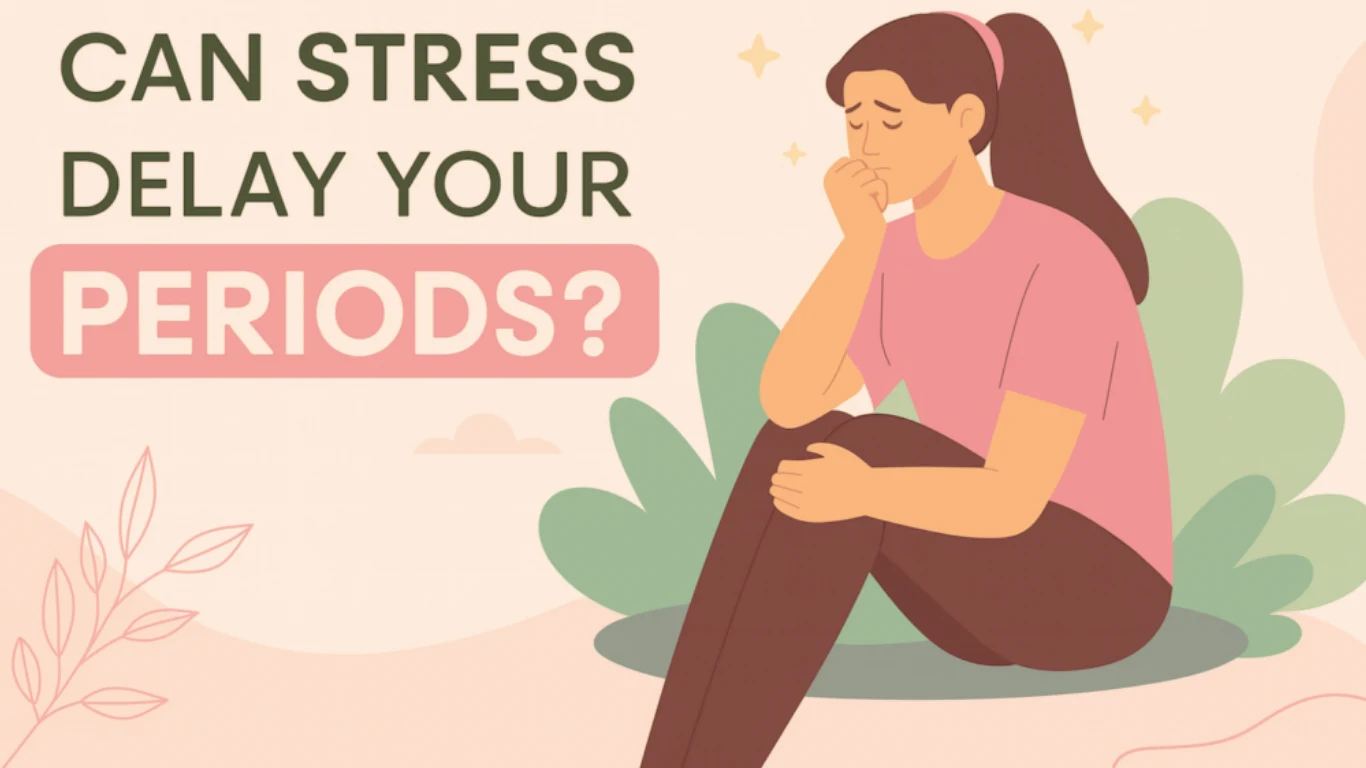
Stress can do more than affect your mood — it can delay periods, disturb hormones, trigger acne, digestion issues, and sleep problems. Learn the signs and simple ways to manage it
New Delhi: For many women, a delayed period brings an immediate wave of anxiety. Before jumping to conclusions, a quick look at your calendar might reveal a different culprit: a high-pressure week at work, upcoming exams, or family responsibilities. While our culture often teaches us to “adjust” and overlook mental pressure, the human body reacts differently. Stress is not just an emotional feeling; it is a physical trigger that directly alters both your daily health and your monthly cycle.
The Science: Why Your Brain Pauses Your Period
When you are constantly stressed, your brain releases a hormone called Cortisol (the stress hormone). When cortisol levels are sky-high, your brain thinks, “Oh no, there is danger! This is a terrible time to host a baby.” As a result, it pauses the hormones that cause ovulation. If you don’t ovulate, your period gets delayed or skips entirely. Doctors call this stress-induced amenorrhea, and even when your period finally comes, the hormonal chaos can make your cramps, bloating, and mood swings much worse than usual.
What Experts Say
“The cortisol that your body makes when you’re under stress can wreak havoc on the connection between your hypothalamus, pituitary gland and ovaries.” — Dr Swapna Kollikonda, Cleveland Clinic.
How Stress Affects Your Daily Health
When stress messes with your hormones, it doesn’t just affect your period dates. It causes a chain reaction that ruins your entire day. The World Health Organisation states that women’s health is deeply affected by mental health pressures, stress, unpaid responsibilities, and social pressures, all of which contribute to poorer overall health outcomes. Here is how it shows up in daily life:
• Sleep Problems and Constant Tiredness: Have you ever felt completely exhausted all day, but the moment you go to bed, your mind starts racing, and you cannot sleep? This is a classic sign of stress. High stress levels keep your brain active at night, preventing you from getting deep sleep. As a result, you wake up feeling tired, grumpy, and heavy-headed the next morning.
• Unhealthy Food Cravings: When you are under pressure, your body feels it needs quick energy. This is why a stressful day at work or college makes you crave fried foods, sweets, or junk food. Giving in to these sudden cravings leads to stomach bloating, low energy levels, and unexpected weight gain over time.
• Sudden Skin Breakouts: Our skin reacts very quickly to what is happening inside our bodies. When stress levels go up, it signals your skin to produce excess oil. This leads to sudden, painful pimples, usually around your jawline and chin. These breakouts often happen right before an important meeting, exam, or family event.
Simple Ways to Break the Cycle
You cannot completely remove stress from your life, but you can change how your body reacts to it. Making small, manageable changes to your daily habits can help bring your hormones and periods back on track.
Fix Your Morning Routine
• Habit to Break: Drinking tea or coffee on an empty stomach right after waking up instantly spikes your cortisol (stress hormone) levels when your stomach is empty.
• New Habit: Start your day with a glass of warm water, or eat a few soaked almonds or a banana first and have your morning tea or coffee at least 30 minutes later. This simple shift keeps your morning hormone levels stable.
Follow the “5-Minute Disconnect” Rule
• Habit to Break: Sitting in front of your laptop or phone for hours without taking a single break, especially during a hectic workday.
• New Habit: For every two hours of work, take a short 5-minute break. Take a walk in nature or spend time with your friends and family.
Choose Gentle Movement Over Heavy Workouts
• Habit to Break: Forcing yourself to do heavy, intense gym workouts when your mind and body are already completely exhausted from a stressful day. This actually increases your body’s stress.
• New Habit: On high-stress days, swap heavy lifting for a 30-minute evening walk, light stretching, or yoga. This releases “happy hormones” (endorphins) and helps relax your muscles without straining your body.
Set Smart Digital Boundaries
• Habit to Break: Checking work emails or mindlessly scrolling through social media reels on your phone right before falling asleep.
• New Habit: Keep your phone away for at least one hour before bedtime. You can read a book or listen to calm music instead. This allows your brain to produce melatonin (the sleep hormone), ensuring you get deep, restful sleep
When to see a doctor
Missing one period during a super-stressful month can happen. But if you miss your period for three months in a row, you experience unusually severe pain, cramping, or excessively heavy bleeding, or if your cycles are consistently longer than 35 days, please visit a gynaecologist. It’s important to check for conditions like PCOS or thyroid issues.
A delayed period or sudden exhaustion is your body’s way of asking for a break. In our busy lives, it is easy to ignore daily pressure, but your monthly cycle depends entirely on mental and physical balance. Managing stress is a necessity for your health, and by making small changes like sleeping on time and taking short breathing breaks, you give your body the care it needs. The next time you feel overwhelmed, remember to pause, take a deep breath, and listen to what your body is trying to tell you.