New Delhi:We live in a world where sadness has become an aesthetic. We have all seen it on our social media feeds: beautiful, moody photos paired with quotes about heartbreak, playlists dedicated to deep sadness, and media that portrays being “beautifully broken” as a personality trait. Somewhere along the way, modern culture made suffering look artistic and desirable.
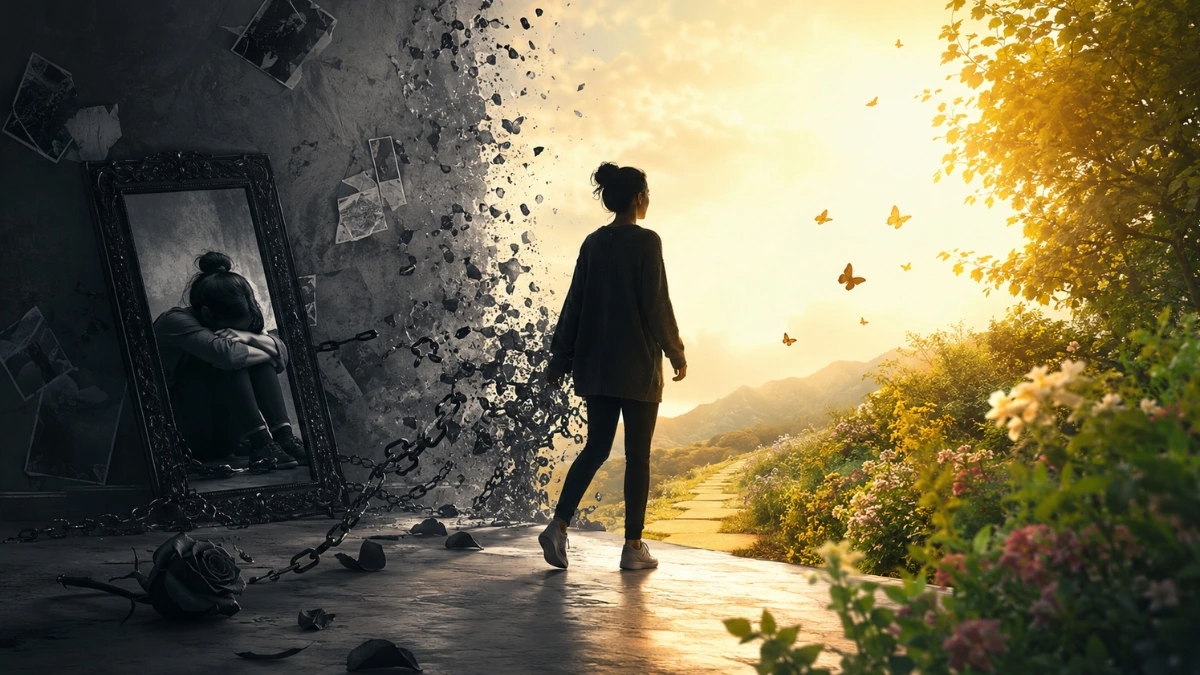
But here is a truth that most people ignore: when you keep making your pain look romantic and meaningful, you stop yourself from actually healing.
This does not mean your pain is not real. It absolutely is. But there is a big difference between feeling pain and falling in love with the story of your pain. One helps you heal. The other keeps you stuck.
What does “Romanticizing Pain” actually mean?
Romanticizing pain means turning your suffering into a dramatic, beautiful story. Instead of viewing a painful event as something bad that happened to you, you begin to view it as the most interesting thing about you.
- In relationships: Holding onto toxic history, Even years later, insisting that the ex-partner was ‘the one who got away’, forgetting that the relationship was unstable or harmful.
- Using sensitivity as an excuse: Telling yourself, “I’m just too deep and sensitive for this world,” to avoid taking action against chronic sadness or anxiety.
- In work life: You celebrate burning yourself out as “passion” or “dedication,” when in reality, you are damaging your mental and physical health.
- In grief: You hold onto sadness about someone you lost because letting it go feels like forgetting them even though it is okay to heal and still love them.
- On social media: You post beautiful, sad quotes and aesthetic photos about pain but you avoid actually doing the hard work of healing.
Why do we fall in love with our sadness?
We don’t do this because we want to suffer; we do it because human brains are hardwired to look for meaning. When something terrible happens, creating a dramatic narrative around it is a built-in coping mechanism.
- It gives us an identity
Pain can become who we are. “I’m the person who has been through so much” feels like a strong, interesting identity. It feels more meaningful than simply saying, “I am getting better every day.” - It protects us from change
Change is scary. As long as the pain feels poetic and meaningful, we do not have to face the uncomfortable process of letting it go and building something new. The pain becomes an excuse to stay exactly where we are. - Society rewards it
Think about how many movies, songs, and books are built around dramatic suffering. Quiet, steady healing does not make headlines. But a beautiful breakdown? That gets attention. We are trained, without even realizing it, to find pain glamorous. - Familiar pain feels safer than unknown peace
Even sadness can become comfortable. It is something you know. Peace and happiness, on the other hand, can feel unfamiliar — even threatening. So the brain sticks with what it knows, even if it hurts. - It makes the pain feel worthy
If your suffering was “beautiful” or “meaningful,” then it was not wasted. Romanticizing gives the pain a purpose which makes it harder to let go.
Hidden cost of staying stuck
While wrapping yourself in a blanket of familiar sadness feels safe, it comes with a heavy price tag. Psychologists point out that constantly replaying and glorifying trauma has real consequences:
- It stalls emotional growth: You cannot step into a better future if you are constantly looking backward.
- It traps your body in stress: Constantly focusing on past hurts keeps your nervous system in a state of low-grade, chronic stress (fight-or-flight mode).
- It attracts chaos: When you are addicted to the high drama of pain, healthy and peaceful situations start to feel “boring.” You may unconsciously seek out toxic people just to feel that familiar spark.
Signs you are romanticizing your pain
- Take a honest look at your habits. You might be romanticizing your suffering if you:
- Spend hours curate playlists or social media feeds that match a deeply sad aesthetic.
- Feel a secret sense of pride when people comment on how much hardship you’ve endured.
- Use your past traumas as a shield to avoid trying new things or meeting new people.
Practical steps to start genuine healing
True healing is rarely glamorous. It is often boring, repetitive, and requires quiet discipline. Here is how to put down the drama and start moving forward:
Strip away the drama
When thinking about your past, stick to the facts. Instead of saying, “We were two star-crossed souls torn apart by the cruelty of timing,” try saying, “We valued different things, and the relationship didn’t work out.” Removing the poetic language takes away its power over you.
Feel the emotion, don’t feed it
It is entirely healthy to feel sad, angry, or disappointed. Let the emotion come, sit with it, and let it pass. However, do not feed it by opening old photo albums, checking an ex’s social media, or putting on a playlist designed to make you cry for hours.
Change your digital diet
Take a look at your social media feeds. Unfollow accounts that post tragic, depressing quotes or romanticize unhealthy relationships. Fill your feed with content focused on mental resilience, hobbies, humor, and practical personal growth.
Ask “Future-Me” questions
Whenever you are stuck in a loop of old thoughts, ask yourself: “What would the healed version of me do right now?” Would they send that text? Would they stay in bed all weekend? Act like the person you want to become, even if it feels unnatural at first.
Rely on professional support
If your identity has been wrapped up in your struggles for a long time, untangling it can be incredibly difficult. A licensed therapist can help you process past trauma without letting it define your future.
Can’t imagine who you would even be if you weren’t carrying this specific sadness.
Dropping the romantic narrative around your pain doesn’t mean forgetting what you went through. It means honoring your past without letting it control your present.
When you stop worshiping the wound, life gets lighter. You stop choosing chaotic relationships because you realize peace is better than drama. You finally free up the mental energy needed to build a life full of genuine joy, quiet strength, and real possibility.