
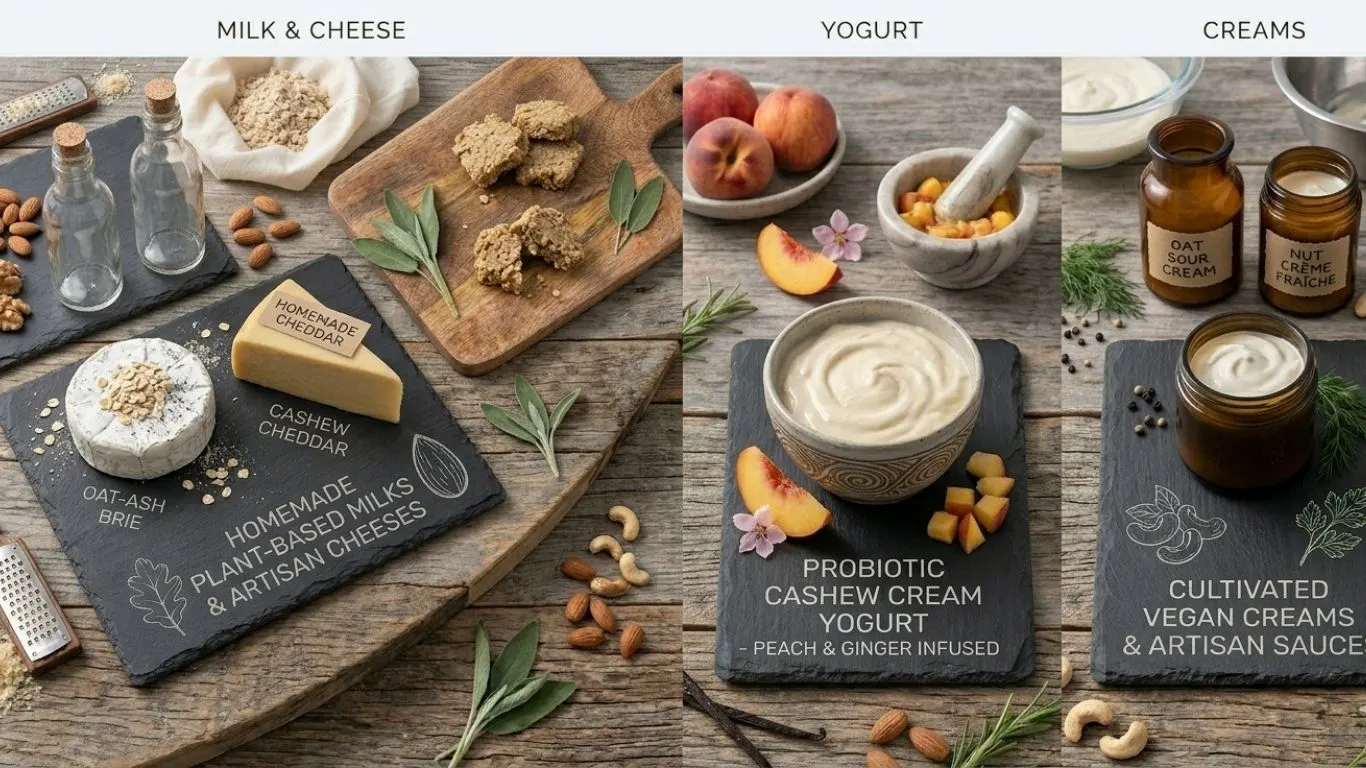
Explore practical dairy-free alternatives for milk, butter, cheese, and ice cream, plus the health benefits and nutritional tips for a balanced plant-based lifestyle
New Delhi: For generations, dairy has been a staple in everyday diets, from morning tea and coffee to desserts, sauces, and daily nutrition. Yet a massive global shift is underway, driven by lactose intolerance, milk allergies, cholesterol management, or lifestyle choices, millions are actively looking for ways to replace traditional dairy.
More people are shifting toward plant-based eating for health, ethical, and environmental reasons. Plant-based alternatives are now widely available in supermarkets, cafés, and restaurants, with many food brands and cafés also incorporating them into their products and menus.
Plant-based alternatives are easy to find in stores today, and many can also be prepared at home using simple kitchen ingredients. Here is how plant-based alternatives stack up across every major category, along with practical insights to help make the switch seamlessly.
Milk Alternatives: Beyond Cow’s Milk
Milk is the easiest dairy product to replace because the market is highly evolved, offering distinct options based on how you plan to use them.
• Soy Milk: This remains the closest direct nutritional match to cow’s milk. It provides a solid 7 to 8 grams of complete protein per cup and contains essential fatty acids, making it the best option for cooking, baking, or matching your daily protein intake.
• Oat Milk: If your primary concern is coffee, tea, or cereal, oat milk is the premier choice. It has a naturally thick, creamy consistency that doesn’t curdle when heated and contains soluble fibre that supports heart health.
• Almond Milk: A highly popular, low-calorie alternative that works well in smoothies. While it is lower in protein than soy, it is naturally rich in Vitamin E and usually comes heavily fortified with minerals.
• Rice and Coconut Milk: Rice milk is naturally sweeter and highly hypoallergenic, making it ideal for anyone dealing with both dairy and nut allergies. Coconut milk offers a rich, distinct flavour profile that shines in curries and soups, though it lacks protein.
Other dairy-free milk alternatives include hemp milk, flax milk, cashew milk, and tiger nut milk.
Butter Alternatives: Managing the Fat Profile
Replacing butter requires looking at how the alternative performs under heat and its fat composition.
• Coconut Oil: This is the most efficient 1:1 replacement for butter in heavy baking. If you want to avoid a lingering coconut flavour in savoury dishes, heating the oil slightly and adding a pinch of salt helps neutralise the taste.
• Olive Oil: For everyday cooking, sautéing, or dressing vegetables, high-quality olive oil provides a heart-healthy dose of monounsaturated fats, eliminating the dietary cholesterol found in dairy butter.
• Avocado and Banana: In baking, half an avocado can replace butter to provide necessary fats and moisture without altering the flavour profile. For sweeter recipes, mashed bananas function as an excellent natural binder.
Cheese Alternatives: Cracking the Code of Melt, Stretch, and Savoury Flavour
Replicating the complex texture and savoury depth of cheese without animal proteins requires creative food science.
• Nutritional Yeast: Known affectionately in plant-based circles as “nooch,” these inactive yeast flakes have a naturally pungent, nutty, and savoury flavour. It works beautifully as a direct substitute for grated Parmesan over pasta or popcorn, and it is traditionally fortified with essential Vitamin B12.
• Cashew-Based Cheeses: Raw, soaked cashews can be blended into an ultra-smooth paste. When combined with a touch of lemon juice and salt, they perfectly mimic spreadable cream cheese or rich, pourable savoury sauces.
• Starch and Oil Blends: Most store-bought melting cheeses use a base of potato or tapioca starch combined with coconut oil. Tapioca starch is unique because it becomes stretchy and gooey when heated, which is essential for making dairy-free pizzas or grilled sandwiches.
Yoghurt and Ice Cream: Culturing and Texture
Maintaining the probiotic benefits and satisfying mouthfeel of fermented dairy is entirely possible through plant-based products.
• Plant-Based Yoghurt: Made from soy, almond, or coconut milk bases, these are fermented using live active cultures. This ensures that you still receive the gut-friendly bacteria essential for digestion without exposing your system to lactose.
• Ice Cream Alternatives: Premium dairy-free ice creams rely heavily on fat-rich coconut cream or cashew milk. The higher fat content in these bases prevents the formation of ice crystals, maintaining the dense, smooth texture of traditional ice cream.
The Health Benefits of Going Dairy-Free
Eliminating dairy from your diet can trigger several positive biological shifts, particularly for those with underlying sensitivities to milk sugars and proteins.
• Complete Relief from Digestive Distress: For many lactose-intolerant adults, one of the first noticeable benefits is reduced bloating, gas, and digestive discomfort. This happens because the body stops struggling to break down lactose, allowing the gut lining to settle and digest food more efficiently.
• Clearer Skin and Reduced Acne: Milk naturally contains hormones and growth factors meant for calves, which can spike insulin levels and trigger overactive sebaceous glands, leading to clogged pores and acne. Some people report clearer skin after reducing dairy intake, particularly those sensitive to milk hormones.
• Improved Heart Health and Lower Cholesterol: Traditional full-fat dairy products like butter, cream, and cheese are dense in saturated fats and dietary cholesterol. Switching to plant-based fat substitutes replaces harmful saturated fats with monounsaturated and polyunsaturated fats, which actively help lower LDL (bad) cholesterol and support long-term cardiovascular health.
The Nutritional Reality Check
Switching to a dairy-free lifestyle offers clear physical benefits, particularly the elimination of digestive distress, bloating, and tracking down hidden allergens. However, a smart consumer must keep a few practical trade-offs in mind:
• Watch the Sugars: Many commercial plant milks and yoghurts use added sugars to mask the earthy taste of nuts or grains. Always look for the word “Unsweetened” on the front label.
• Check the Protein: Starch-based vegan cheeses offer almost zero protein compared to traditional dairy cheese. If you rely on cheese for protein, look into tofu-based or seed-based options instead.
• Look for Fortification: Because plant-based foods do not naturally contain the exact micronutrient blueprint of cow’s milk, look for brands that explicitly state they are fortified with Calcium, Vitamin D, and Vitamin B12.
Plant-based dairy alternatives are no longer niche products limited to vegan diets. From creamy oat milk in coffee to cashew-based cheese sauces, today’s options make it easier than ever to reduce or replace dairy without compromising on taste or convenience. The key is choosing alternatives that match your nutritional needs, cooking habits, and personal preferences. With the right balance, a dairy-free lifestyle can be both practical and satisfying.