

Discover 9 traditional clove combinations with honey, ginger, lemon, cinnamon, green tea, and more. Learn their potential health benefits, how to use them safely
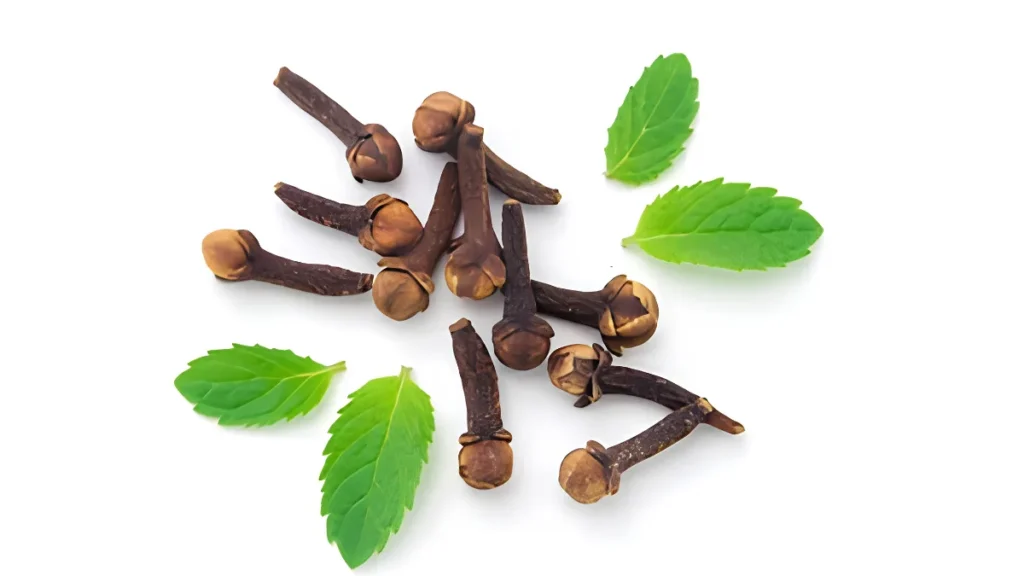
New Delhi: Cloves are much more than a flavorful spice found in Indian kitchens. Cloves are the dried flower buds of the Syzygium aromaticum tree. For centuries, people have used them in Ayurveda, Traditional Chinese Medicine, and home remedies across the world. Cloves contain a natural compound called eugenol, which gives them powerful antioxidant, antibacterial, anti-inflammatory, and pain-relieving properties.
Many people use cloves to support digestion, freshen breath, soothe sore throats, and even ease minor tooth pain. When combined with other natural ingredients such as honey, ginger, cinnamon, or mint, cloves may provide additional health-supporting benefits.
While these combinations are based on traditional practices and some scientific research, they should not replace medical treatment. If you have a medical condition, are pregnant, breastfeeding, or take blood-thinning medications, consult your doctor before consuming cloves regularly.
Here are nine popular clove combinations, their possible benefits, and the best ways to use them.
Clove and Honey-Traditional Remedy for Sore Throat
Honey and cloves have long been used together to relieve sore throat and cough. Honey naturally coats the throat, helping reduce irritation, while cloves contain eugenol, which may help reduce inflammation and provide mild antibacterial effects.
This combination is especially popular during seasonal colds and flu.
How to use:
- Boil 3–4 whole cloves in one cup of water for 5–10 minutes.
- Strain the water.
- Add one teaspoon of raw honey after it cools slightly.
- Drink while warm.
You can also mix a pinch of ground clove with honey and take it directly.

Clove and Ginger- Supports Healthy Digestion
Both cloves and ginger are well known for promoting digestion. Ginger may help reduce nausea, while cloves can help decrease gas, bloating, and stomach discomfort.
This herbal combination is commonly used after heavy meals.
How to use:
- Simmer a few slices of fresh ginger with 3–4 cloves in water for about 10 minutes.
- Strain and enjoy as herbal tea.
- Add honey if desired.

Clove and Warm Water- Natural Breath Freshener
Bad breath is often caused by bacteria in the mouth. Cloves contain natural antimicrobial compounds that may help reduce these bacteria and freshen breath.
Although it is not a replacement for brushing and flossing, clove-infused water can be a useful addition to your oral hygiene routine.
How to use:
- Soak 2–3 cloves in warm water.
- Let the water cool slightly.
- Gargle or rinse your mouth after brushing.
Some people also chew one whole clove for a few minutes before spitting it out.

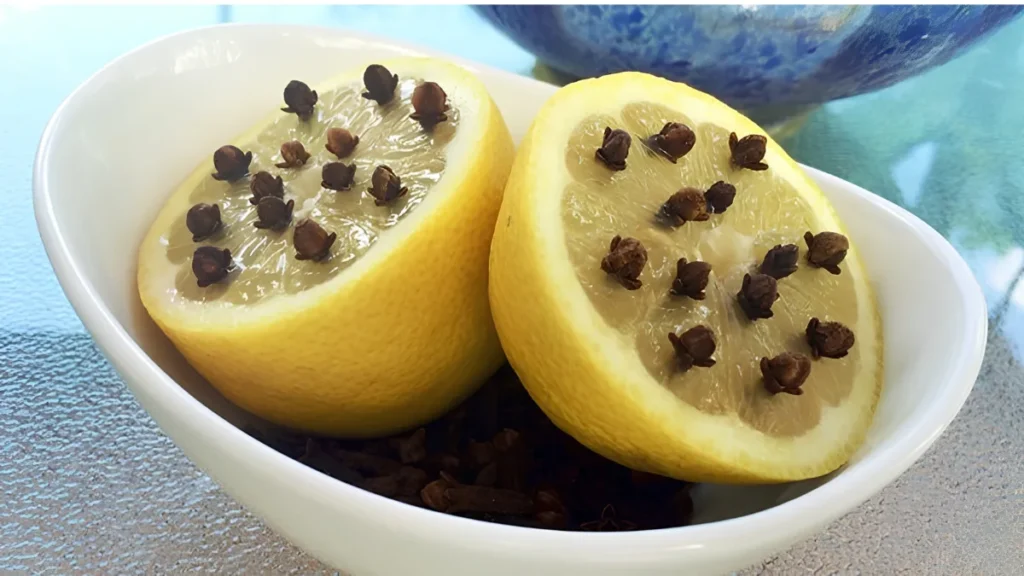
Clove and Lemon-Refreshing Morning Drink
Lemon is rich in vitamin C and antioxidants, while cloves provide antibacterial and antioxidant compounds. Together, they make a refreshing drink that may support digestion and oral freshness.
Although many people call it a “detox drink,” there is no scientific evidence that it removes toxins from the body. Your liver and kidneys naturally perform detoxification.
How to use:
- Add the juice of half a lemon to a cup of warm clove-infused water.
- Drink it in the morning or use it as a mouth rinse.
Clove and Olive Oil-Traditional Relief for Tooth Pain
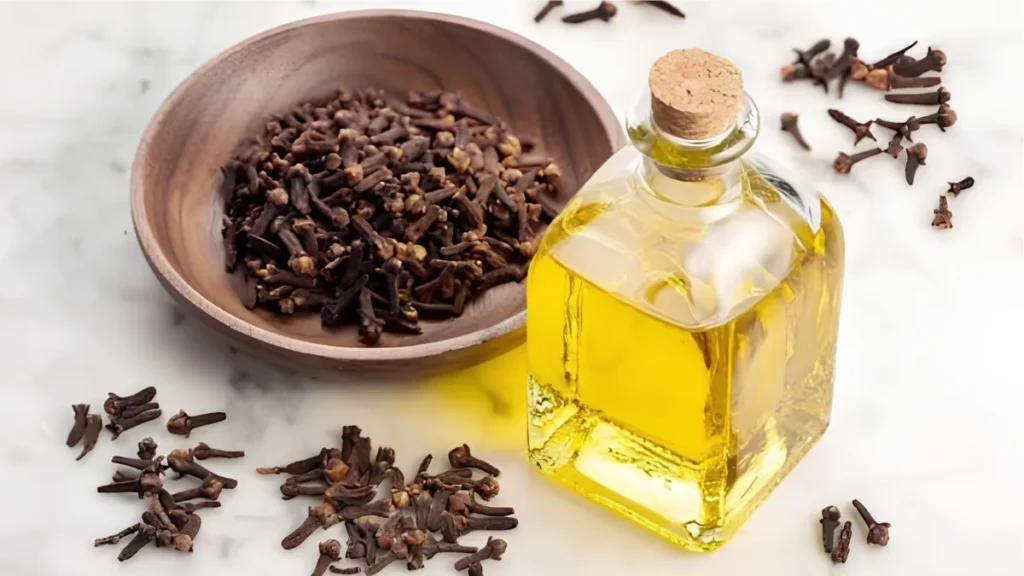
Clove has been used in dentistry for generations because eugenol has mild pain-relieving and antibacterial properties. Olive oil works as a gentle carrier oil and helps dilute clove oil.
This remedy may provide temporary comfort until you can visit a dentist.
How to use:
- Infuse a few whole cloves in olive oil for several hours.
- Apply a small amount to the affected tooth using a clean cotton swab.
Do not swallow large amounts, and never apply undiluted clove essential oil directly to your gums, as it may cause irritation.
Clove and Green Tea-A Powerful Antioxidant Combination
Green tea is rich in catechins, natural antioxidants that may support heart health and metabolism. Adding cloves increases the antioxidant content and creates a warm, aromatic beverage.
While this drink may support a healthy lifestyle, there is limited scientific evidence that it significantly boosts metabolism or causes weight loss on its own.
How to use:
- Brew one cup of green tea.
- Add 2–3 whole cloves while steeping.
- Drink without excessive sugar.

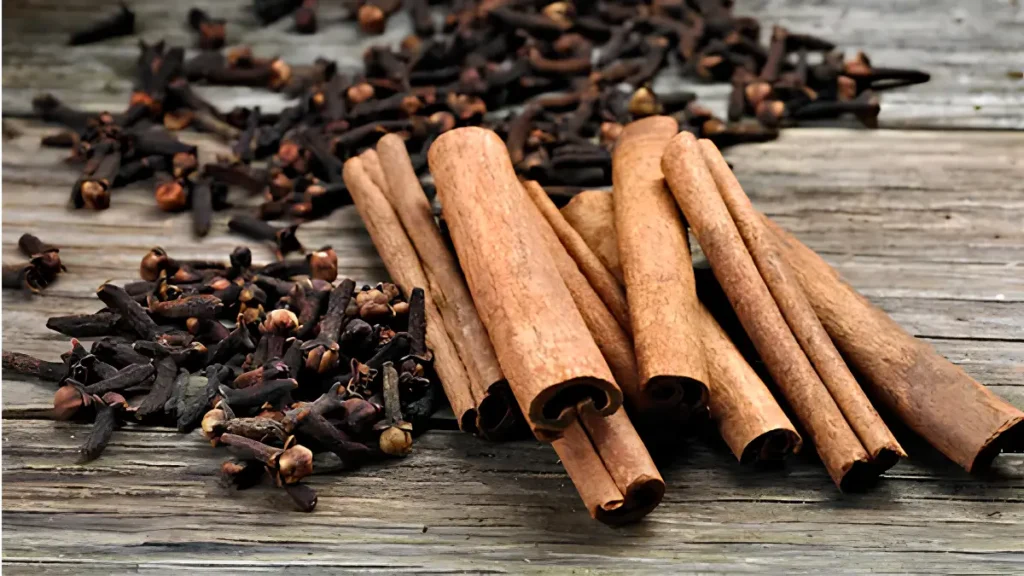
Clove and Cinnamon- Warming Herbal Tea
Cloves and cinnamon are both aromatic spices commonly used during winter. Traditional medicine suggests they may support circulation, digestion, and overall wellness.
Some studies also suggest cinnamon may help maintain healthy blood sugar levels when combined with a balanced diet.
How to use:
- Boil one cinnamon stick with 3–4 cloves in water.
- Simmer for 10 minutes.
- Strain and enjoy warm.
Clove and Warm Milk-Comforting Bedtime Drink
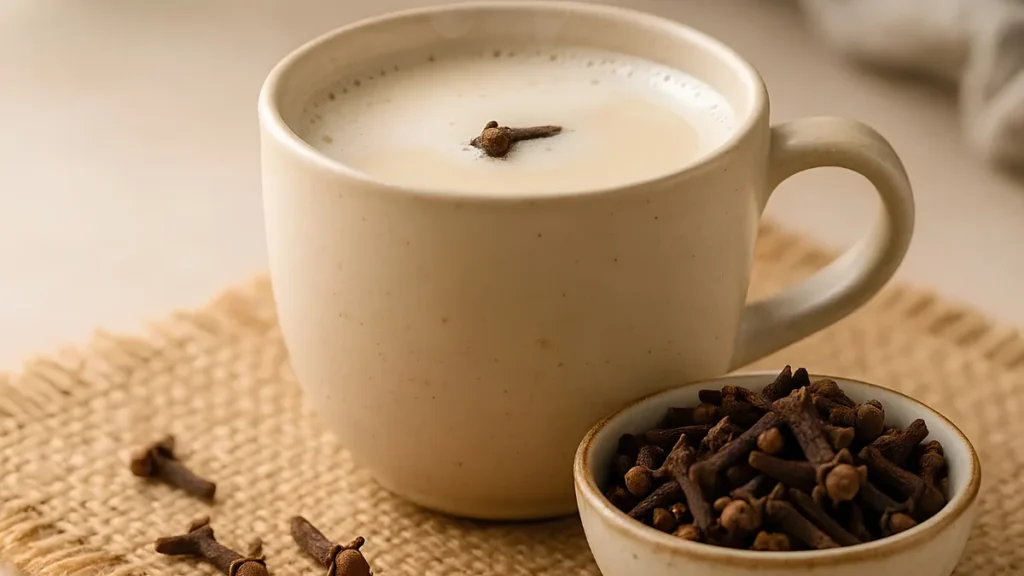
Warm milk is often associated with relaxation. Adding cloves gives it a pleasant aroma and may help soothe the digestive system after dinner.
Although scientific evidence is limited, many traditional households use this combination for comfort and better sleep.
How to use:
- Heat one cup of milk with 2–3 whole cloves.
- Remove the cloves before drinking.
- Sweeten lightly if preferred.
Clove and Mint-Natural Tea for Nausea
Mint is widely known for helping relieve nausea and indigestion. Combined with cloves, it creates a refreshing herbal tea that may ease mild stomach discomfort.
This drink is especially popular after travel or heavy meals.
How to use:
- Steep fresh mint leaves with 3 cloves in hot water for 5–8 minutes.
- Strain and drink warm.
Why Are Cloves Good for Health?
Cloves contain several beneficial nutrients and plant compounds, including:
- Eugenol, a natural antioxidant and anti-inflammatory compound
- Manganese, which supports bone health
- Dietary fiber
- Small amounts of vitamin K and vitamin C
- Polyphenols that help fight oxidative stress
Research suggests cloves may have antibacterial, antifungal, antioxidant, and anti-inflammatory properties. However, more large-scale human studies are needed to confirm many of their traditional uses.
Safety Tips Before Using Cloves
Although cloves are generally safe in small culinary amounts, excessive consumption may cause side effects.
Keep these precautions in mind:
- Limit intake to about 2–5 whole cloves per day unless advised otherwise by a healthcare professional.
- Avoid excessive use of clove essential oil, as it is highly concentrated.
- People taking blood-thinning medicines should consult a doctor because eugenol may increase the risk of bleeding.
- Pregnant or breastfeeding women should seek medical advice before consuming cloves regularly.
- Children should not be given clove oil without medical supervision.
Cloves have been valued in traditional medicine for centuries, and modern research supports many of their beneficial properties, especially their antioxidant and antimicrobial effects. Combining cloves with ingredients such as honey, ginger, cinnamon, mint, or green tea can create simple home remedies that may support digestion, oral health, and overall well-being.
However, these natural remedies should be viewed as supportive practices rather than cures. A balanced diet, regular exercise, good oral hygiene, and timely medical care remain the foundation of good health.