Think hypertension is only about salt? This World Hypertension Day, experts reveal how chronic stress and anxiety silently damage your heart and arteries
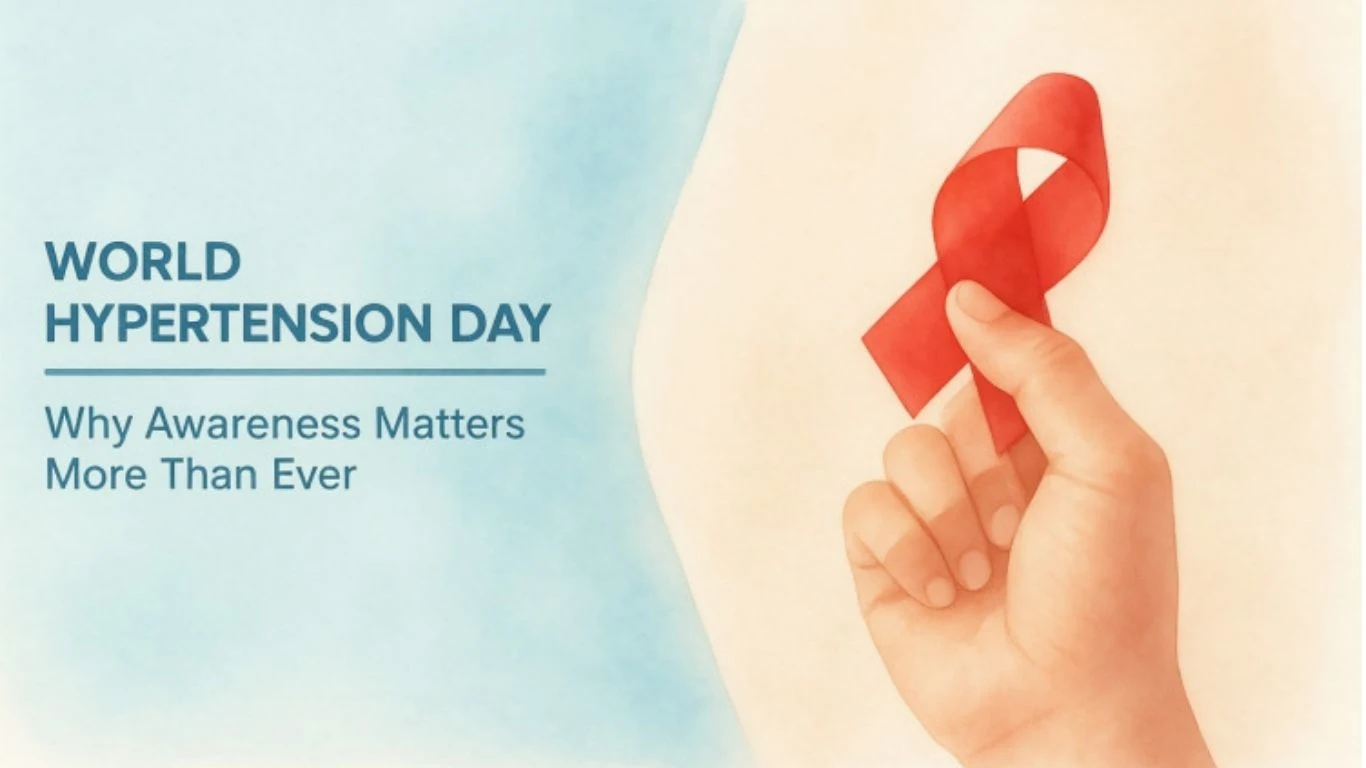
New Delhi: World Hypertension Day is observed on 17 May every year to raise global awareness about high blood pressure, promote prevention, detection, and control, and encourage action at individual, community, and health-system levels.
Previously, hypertension was mostly linked to high salt intake, lack of physical activity, obesity, and genetics. But now, doctors say that stress, anxiety, and emotional exhaustion are also major reasons behind hypertension cases, especially among working professionals and young adults.
The Growing Global Concern
According to the World Health Organisation (WHO), hypertension is one of the biggest preventable causes of early death worldwide, affecting nearly 1.4 billion people globally. The theme for World Hypertension Day 2026 is “Controlling Hypertension Together, check your blood pressure regularly, defeat the silent killer”.
Hypertension is often called a “silent killer” because many people do not notice symptoms in the early stages. As many people continue their normal routine without realising their blood pressure levels are dangerously high until serious complications such as heart attacks, kidney damage, vision problems, or strokes occur
How Mental Stress Affects the Body
Mental health is one of the most ignored aspects of healthcare in society. Terms like anxiety, stress, and depression are often dismissed as overthinking or temporary mood swings. However, if not treated properly and in a timely manner, they directly affect the body’s nervous system.
Dr Dubey directly addresses the common misconception that anxiety is just a minor mental loop, stating:
“People often tell someone with anxiety to just ‘stop overthinking,’ but it’s not that simple. Anxiety is a physical, full-body experience where the nervous system is locked in a state of high alert.”
When a person constantly feels anxiety, pressure, panic, stress, or emotional fatigue, the body stays in a “fight-or-flight” state. This leads to the continuous release of stress hormones like cortisol and adrenaline. Over time, these hormones increase heart rate, tighten blood vessels, and raise blood pressure levels, and if ignored for a long time, they can damage arteries and increase the risk of heart attacks and strokes.
Today, more young people are increasingly being diagnosed with hypertension due to irregular sleep schedules, excessive screen time, work pressure, lack of physical activity, and rising mental stress levels. Unhealthy habits such as emotional eating, smoking, alcohol consumption, poor sleep, and reduced physical activity can worsen hypertension.
Experts Suggest a Balanced Approach
Health experts say that controlling blood pressure should not focus only on physical health, like moving your body or eating a healthy diet, but also on mental well-being, maintaining emotional balance, identifying psychological issues early, and seeking proper treatment.
Doctors recommend:
• Taking mental health concerns seriously and trying to treat them instead of ignoring them.
• Monitoring blood pressure regularly, especially during stressful periods.
• Following simple self-care habits like reducing screen time, doing something productive, sleeping properly, and engaging in physical activity.
• Avoiding excessive dependence on health-tracking apps and constant self-monitoring, which can sometimes increase anxiety further.
In today’s fast-moving and pressure-filled lifestyle, hypertension is no longer just a disease linked to age or unhealthy eating habits; it is increasingly becoming a reflection of rising stress and neglected mental health. On this World Hypertension Day, experts emphasise that protecting heart health requires a balanced approach that includes both physical fitness and emotional well-being. Regular health check-ups, stress management, proper sleep, and timely mental health support can play a crucial role in preventing hypertension before it turns into a life-threatening condition.